
Stories of Inspiration: Olympic Champion Wendy Boglioli Shares Personal Tale of Triumph
by John Lohn – Editor-in-Chief
20 September 2026
Stories of Inspiration: Olympic Champion Wendy Boglioli Shares Personal Tale of Triumph
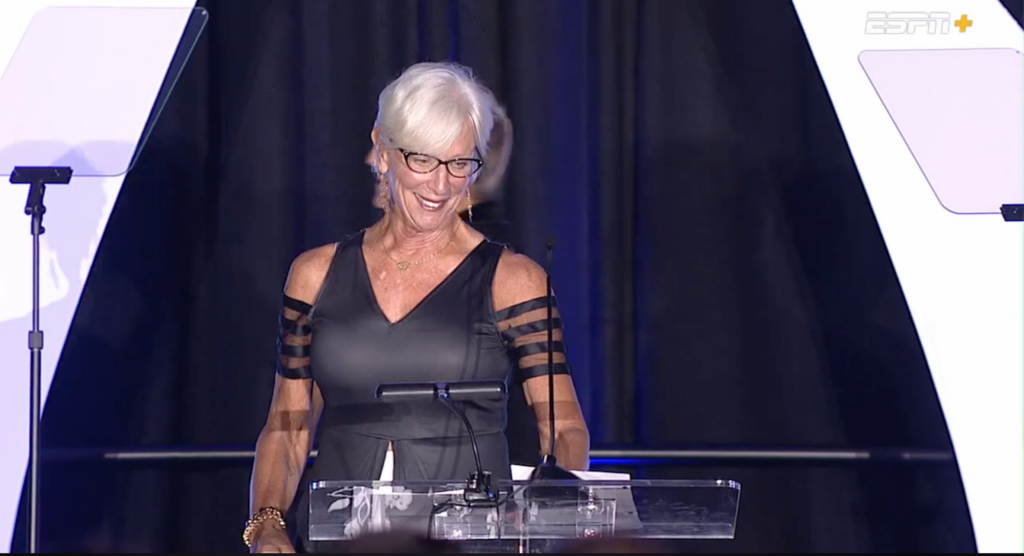
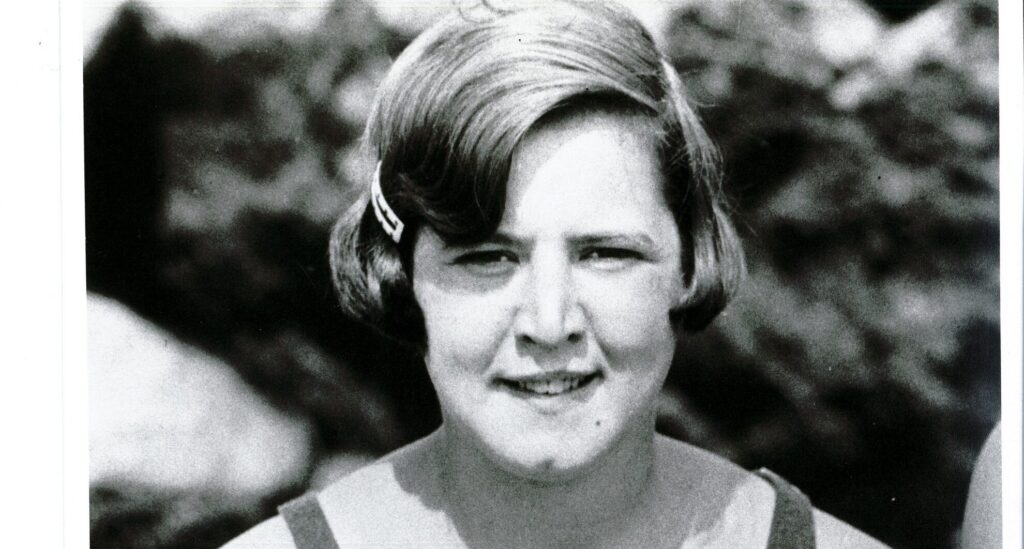
It’s been a half-century since Wendy Boglioli handled the second leg of the United States’ 400-meter freestyle relay at the 1976 Olympic Games in Montreal. The performance of that American relay ranks as one of the most-iconic efforts in USA Swimming history, as Boglioli united with Kim Peyton, Jill Sterkel and Shirley Babashoff to defeat the doping-fueled squad of East Germany with a world-record outing.
Heading into that final women’s race of the 1976 Games, East Germany had won 11 of 12 gold medals, and posted gold-silver finishes in four individual events. Few upsets in Olympic lore match what Team USA managed in that 400 freestyle relay, and that relay will forever stand as an inspiration. Last week, however, Boglioli took to social media to recall another defining moment in her career, one that carried its own inspirational angle.
Growing up in Wisconsin, Boglioli dreamed of competing for the University of Wisconsin and its famed coach, Jack Pettinger. She envisioned herself staying home as a Badger, mentored by one of the sport’s elite coaches and guided toward an elite career in a sport she loved and was dedicated to. But Boglioli was never provided the opportunity to compete for Wisconsin, and a letter written by Pettinger told her she wasn’t good enough for his program.
“You’re a good swimmer,” Pettinger wrote. “But you’re not (Wisconsin-Madison) swimming material.”
That letter stung Boglioli. A dream was dashed, and alternate plans had to be sought. Eventually, Bogilioli accepted a full scholarship to Monmouth College in New Jersey and trained under Bill Palmer with the Central Jersey Aquatic Club. A few years after arriving in the Garden State, Boglioli earned a berth on Team USA for the 1976 Olympics. In Montreal, her gold medal in the 400 freestyle relay was complemented by a bronze medal in the 100 butterfly.
As Boglioli reflected on her journey last week via social media, she provided valuable insights for up-and-coming athletes, along with those facing adversity. Simply, her Facebook post was inspirational, a message that can benefit others.
“And if I’m honest, had I stayed in Madison, I’m not sure I ever make that (Olympic Team),” Boglioli wrote. “Jack had great swimmers. I might have been one of many. Never seen at all. The setback is what launched me. Adversity doesn’t build character. I don’t believe that. Adversity makes you decide. You get to read the letter. You don’t get to skip that part. But you decide what it means.”
Below is Wendy Boglioli’s Full Facebook Post:
“You’re a good swimmer. But you’re not UM swimming material.”
I was 18 when I read that.
It came from Jack Pettinger.
If you swam in the 60s and 70s you know the name. One of the most incredible coaches of that era. 25 years as head coach at Wisconsin. He coached Jim Montgomery, who became the first man in the world under 50 seconds in the 100 freestyle.
Everyone wanted to swim for Jack.
I’d wanted it since I was 13.
Wisconsin. Nursing. Swimming for Pettinger.
That was the plan for five years.
The acceptance letter came. I was in.
Then I waited to hear from the coach.
Weeks went by.
Then the letter came.
Welcome to the U, Wendy. You’re a good swimmer. But you’re not U swimming material. If you want to try out next year, you can.
The man I’d looked up to since I was a kid had put it in writing.
Not good enough.
People throw the word setback around. A bad practice isn’t a setback. A rough day at work isn’t a setback.
A setback is when the plan you’ve been building since you were 13 is gone, and the only road left runs out of your state, away from your family, to a school you’ve never heard of.
That’s what this was. Monmouth College. It’s Monmouth University now. Back then, a small school in New Jersey nobody in Wisconsin had heard of.
And they took a shot at me.
Dick Stedman was the head coach. He got me a full scholarship. One of the first given to a woman under Title IX.
So I left Wisconsin and went east.
And that’s where I met Bill Palmer at Central Jersey Aquatic Club. He’d coached Olympians and national record holders.
What are the chances of that.
He saw something. Not just the swimming. The courage and desire underneath it. He trained me.
At 21 I made the Olympic team.
That summer I stood on the podium in Montreal, Gold and Bronze.
What that letter couldn’t measure was what I’d do when nobody was watching. Every morning. For fifteen years.
And the people who believed in me when a letter said not to.
I saw Jack plenty of times over the years. College meets. The Games.
Always the same. “Hey, Wendy.”
He never once said he was sorry. Jack wouldn’t do that, and I never needed him to.
It was his team. He made a call on what he’d seen of me. I lived with it.
And honestly, I believe Jack lived with it too.
In 2019 the Wisconsin Swimming Hall of Fame inducted me.
Here’s the part I still shake my head at.
Jim Montgomery was on that 1976 team with me. He swam for Jack too, in Madison, before Indiana and Doc Counsilman.
Fifty years later, at our reunion, I sat with Jim and told him this story.
He couldn’t believe it. He had no idea.
Same coach. Two different letters.
And if I’m honest, had I stayed in Madison I’m not sure I ever make that team. Jack had great swimmers. I might have been one of many. Never seen at all.
The setback is what launched me.
Adversity doesn’t build character. I don’t believe that.
Adversity makes you decide.
You get to read the letter. You don’t get to skip that part.
But you decide what it means.
PASSAGES: 1977 ISHOF Honoree, Mike Burton Passes Away at 79
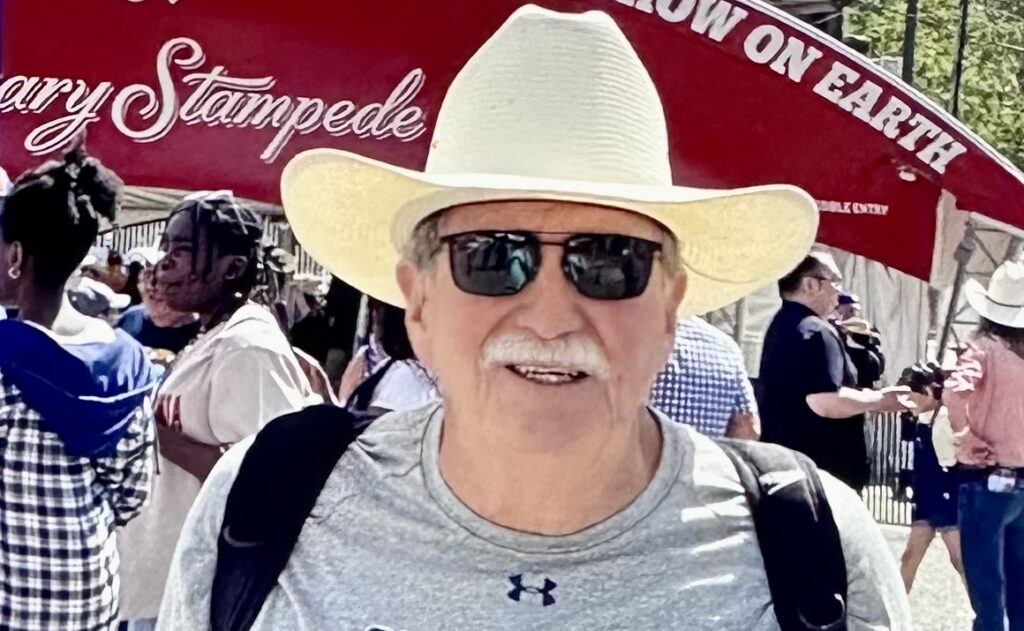
ISHOF is saddened to share that on Friday morning, September 18, 2026, Honor Swimmer Mike Burton passed away after a long battle with Alzheimer’s and dementia.
Burton was inducted into ISHOF in 1977 after his spectacular performance at the 1968 and 1972 Olympic Games, winning three golds ~ and becoming the first man to win back to back gold medals in the 1500 freestyle.
Burton swam at Arden Hills, for famed coach and Honoree, Sherm Chavoor, who would later develop Mark Spitz.
After retiring from swimming, Burton became a swim coach for 35 years which included winning an NCAA title at BYU. We at ISHOF, and the entire swimming community send our condolences to the Burton family.
Read Mike Burton’s 1977 Bio Here:
FOR THE RECORD: OLYMPIC GAMES: 1968 gold (400m, 1500m freestyle); 1972 gold (1500m freestyle); WORLD RECORDS: 7; PAN AMERICAN GAMES: 1 gold; AMERICAN RECORDS: 16; NATIONAL AAU CHAMPIONSHIPS: 10; NCAA Titles: 5; 1968 “Swimmer of the Year”; First person in Olympic history to win the 1500m freestyle in two Olympics; first man to break 16 minutes for the 1650yd freestyle; First to swim the 800m freestyle below 8:30.
Mike Burton was finished as an athlete at 13 because he tackled a truck with his bicycle. Swimming was all he could do after that and he made the most of his opportunities. At 5’9″, 165 lbs., it was still bicycle versus truck. From September, 1960 to August, 1969, he improved the 1500m record 4 times from 16:41.6 to 16:08.5 and twice set 800m records on the way. “Mr. Machine or perpetual motion”, Burton set examples of hard work hitherto unheard of in practice and specialized in winning meets when he was sick (stomach trouble in World Students Games & Montezuma’s revenge in the Olympics).
If Spitz’s 7 gold medals was the greatest performance in Olympic history, Burton’s comeback win in World Record time was the greatest single performance of the 1972 Olympic Games. Married, working and without sufficient training time, he qualified 8th to make the finals at the Olympic Trials, finished 3rd to make the team, and then won the Olympic Games.
The information on this page was written the year of their induction
World Aquatics recognises 2025 Masters Swimmers Top 10
Written by:World Aquatics Communications Department
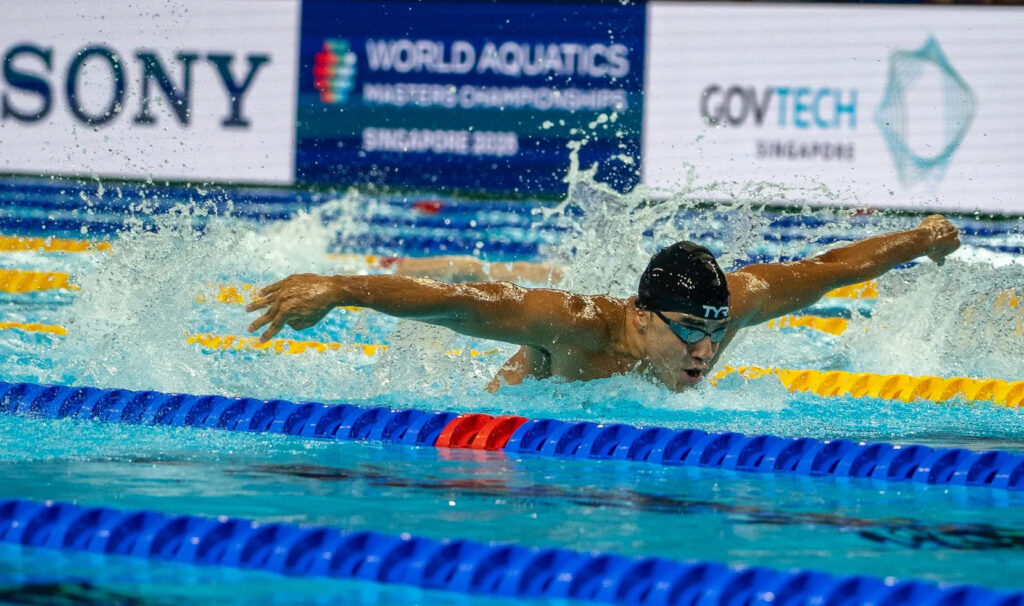
World Aquatics is proud to recognise the finest performances in Masters swimming through the official Top 10 across every event and age group from 25-29 through to 100 and beyond for the 2025 season.
The rankings have been compiled from more than 150,000 results submitted by National Masters Recorders around the world. Standings have been calculated per event and per age group for both long course and short course pools, covering individual and relay events across men’s, women’s and mixed categories.
The breadth of participation, and the meticulous work of the National Recorder network in collecting and verifying these results, makes this one of the most comprehensive rankings in Masters sport.
The all-time Masters Top 10 can be found here.
The Long Course Top 10 can be found here, and the Short Course Top 10 here.
Image Source: Hiroyuki Nakamura
It was already a landmark year for Masters swimming, with 310 new Masters World Records set across individual and relay events in both the 25m and 50m pool.
From the sprints to the distance events, swimmers of all ages delivered performances that pushed the boundaries of what is possible, and the Top 10 stands as further proof that Masters swimming continues to grow in quality and ambition with each passing season.
Masters aquatics participants perfectly illustrate the lifelong power of sport, and provide a reminder that the pool remains a place for competition, community and personal challenge, whatever your age.
World Aquatics congratulates every participant who has earned a place in the Top 10, and all Masters swimmers who competed throughout 2025.
– Masters participants outside the US and Canada should contact their local federation, which can place an order on their behalf.
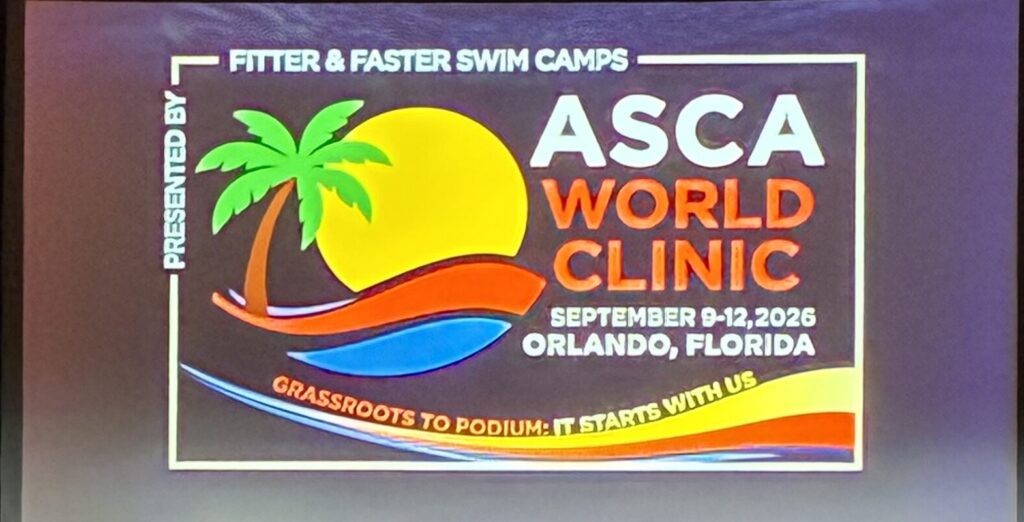
Scenes from the 2026 ASCA World Clinic ~ Orlando, Florida
For the last three days, ISHOF has been in Orlando visiting with aquatic friends, old and new, Honorees, coaches, swimmers and other exhibitors discussing the world of swimming.
ASCA said “This year’s theme was, “Grassroots to Podium: It Starts With Us,” celebrates the full coaching journey! From swim lessons and age group foundations to senior development and international success. Every breakthrough in our sport begins with a coach willing to learn, reflect, and grow. That coach is you.”
Meg Keller-Marvin and ISHOF Honoree Craig Beardsley, Swim Across America
ISHOF Honoree David Marsh giving a demonstration to a group.
ISHOF Staffer Devin Ginas at her first Asca World Clinic
Honoree Mel Stewart visiting the ISHOF Booth
ISHOF Honoree Jonty Skinner giving a demo for the coaches at clinic
Meg Keller, Rob Marvin Carolin Victoria, former longtime ISHOF employee
More from ASCA……..
Fort Lauderdale High School grad Dylan Felt, 2024 Olympic Trials Qualifier with 2008/2012 Olympian Ricky Berens.
Swim Fort Lauderdale Head Coach Dave Gibson was inducted into ASCA Hall of Fame Thursday NIght.
Retired Dutch Swimmer Ranomi Kromowidjojo Named First Athlete Engagement Director at World Aquatics
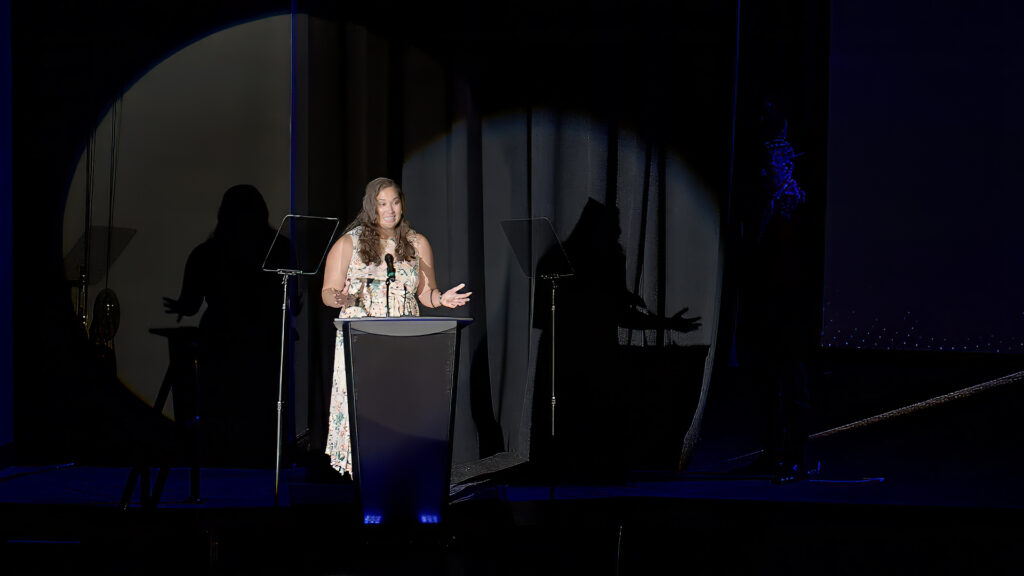
Triple Olympic champion Ranomi Kromowidjojo has been appointed World Aquatics’ first Athlete Engagement Director, focusing on athlete support and engagement.
Shared from SwimSwam
by Terin Frodyma 5
September 07th, 2026 Europe, International, News
Three-time Olympic champion Ranomi Kromowidjojo has been appointed as the first Athlete Engagement Director of World Aquatics, where she will oversee the development and management of the organization’s support systems.
According to a press release from World Aquatics, the creation of this role is part of the organization’s commitment to strengthening “its direct engagements with athletes,” which will further ensure that “their experience both in and out of the water” is at the forefront of World Aquatics’ goals.
“I’m honored to take on this role and to help shape what athlete support looks like at World Aquatics,” Kromowidjojo said in the press release from World Aquatics. “Having competed at the highest level myself, I know how much it means to feel genuinely supported throughout every stage of an athlete’s journey. I’m looking forward to working closely with athletes across all aquatic sports to make sure their voices are heard and their needs are met.”
Kromowidjojo retired from competition in 2022, putting a bow on a career that included three Olympic Gold Medals, including individual titles in both the 50 free and 100 free (both in London 2012), and a 4×100 free relay gold in Beijing in 2008. Her World Championship medal count is also quite impressive, having won 14 short-course World Championship golds and another three in long course.
“Ranomi has lived the athlete experience at the very highest level, and she understands first-hand what it takes to support athletes throughout their careers and beyond,” said World Aquatics President Husain Al Musallam in the press release.
In her new role, Kromowidjojo will report directly to Brent Nowicki, Executive Director of World Aquatics, while working closely with the Development and Sport Departments.
Perth to Become Home of Australia’s First Endurance Swimming Hub
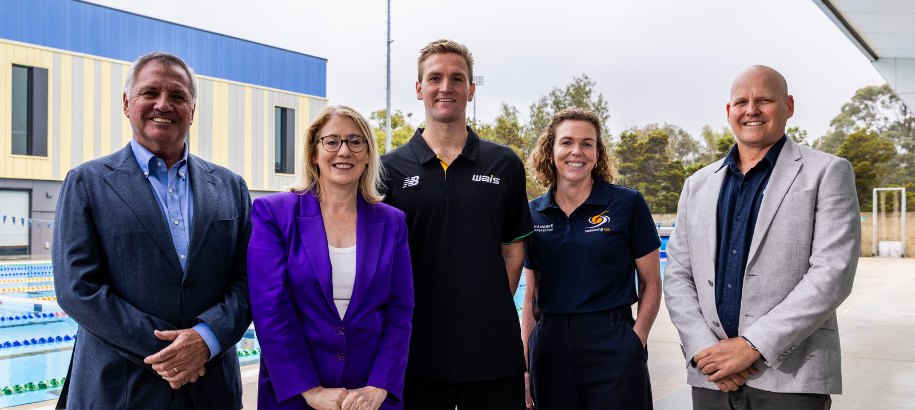
Shared from Swimming WA https://wa.swimming.org.au/
03 September 2026
Swimming Western Australia (WA) welcomed today’s announcement by Deputy Premier and Minister for Sport and Recreation, Rita Saffioti of a $2.55 million investment to establish Australia’s first and only dedicated endurance swimming hub, based at the Western Australian Institute of Sport (WAIS) in Perth.
The hub is the product of close collaboration between Swimming WA, Swimming Australia, WAIS and the State Government, and will give the WA’s distance and open water swimmers a purpose-built environment to train, race and develop without leaving home.
For decades, WA has punched above its weight in the pool and in open water, producing swimmers who have gone on to represent Australia on the world’s biggest stages. This hub confirms WA’s place as the home of endurance swimming, offering athletes and coaches the kind of high-performance support previously only available at a handful of centres internationally.
Delivered through an athlete scholarship model, the hub will sit alongside WA’s existing high-performance programs, including support for para swimmers, and is expected to open the door to further national and international events being hosted in WA, building on Perth’s growing reputation as a genuine swimming destination. That reputation has been built with the ongoing support and advocacy of Tourism WA and VenuesWest, and Swimming WA thanks both organisations for their continued efforts in bringing major events to Western Australia.
“For Swimming WA, this is about giving our endurance swimmers a reason to stay, train and thrive here in Western Australia, instead of chasing that environment somewhere else,” said Emily Randall, CEO of Swimming WA.
“What I’m most proud of is how this hub has come together. It’s a genuine collaboration between Swimming WA, Swimming Australia, WAIS and the State Government, four organisations with different roles but a shared goal: supporting WA’s swimmers to reach the world stage and perform when it matters.
“That kind of alignment doesn’t happen by accident. It’s a real credit to everyone involved that we’ve been able to bring the national body, the institute of sport, our state association and government together behind a single project like this, and it builds on more than 30 years of dedicated support for WA swimming from our Patron, Mrs Gina Rinehart and Hancock Prospecting.
“Our athletes and coaches are the ones who stand to gain the most. This hub means world-class support is now on their doorstep, and I have no doubt it will help shape the next generation of WA swimmers all the way to Brisbane 2032 and beyond.”
A Special Happy Birthday to ISHOF’s Chairman BILL KENT!
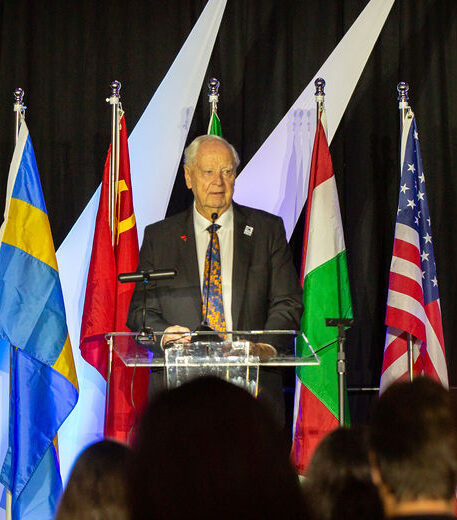
Happy Birthday to our fearless leader, Mr. Bill Kent, Chairman of the Board of the International Swimming Hall of Fame. Bill’s involvement with the ISHOF dates back to the 1980’s, and without his support, we do not know where we would be today!
In 2025, ISHOF created the Dr. Bill Kent Chairman’s Award which was present to Bill in Singapore. The award write up is below.
2025 WorldAquatics/DBM_Deepbluemedia
“The International Swimming Hall of Fame is proud to introduce The Dr. Bill Kent Chairman’s Award, a prestigious new award that recognizes individuals who have demonstrated extraordinary dedication, leadership, and service to the Hall of Fame, water safety, and the aquatics world. Awarded only on rare occasions to maintain its distinction, The Chairman’s Award celebrates the lifelong achievements and unparalleled contributions of those who exemplify the values and mission of the International Swimming Hall of Fame.
The first recipient of this award is Dr. Bill Kent, whose life’s work has been a beacon of positive transformation for Fort Lauderdale and beyond.
Honoring Dr. William Kent: A Lifetime of Leadership and Service
Dr. Bill Kent’s remarkable career spans over five decades, marked by a visionary dedication to safety, community, and innovation in the aquatic industry.
* A Champion of Youth Safety and Aquatic Education: Dr. Kent’s advocacy for youth drowning prevention has set a new national standard. His groundbreaking Every Child a Swimmer program, which offers free swimming lessons to underserved children, has impacted countless lives. This program, passed by the Florida legislature and now adopted in several other states, aims to make swimming a universal life skill, with over 600 children reached so far and many more to come.
* A Vision for the International Swimming Hall of Fame: Under Dr. Kent’s leadership as Chairman of the Board, ISHOF has embarked on a $221 million renovation, transforming it into a world-class attraction featuring a state-of-the-art aquarium, museum, and public spaces. His vision has ensured that ISHOF will continue to inspire future generations and contribute to Fort Lauderdale’s cultural and economic vitality.
* A Legacy of Recognition: Dr. Kent’s contributions have been celebrated by his community and around the globe. Named Philanthropist of the Year by the Florida Swimming Pool Association and recognized as one of the “10 Most Impactful People” by Swimming World Magazine, Dr. Kent’s dedication to service, innovation, and safety has established a legacy of enduring impact.
Dr. Bill Kent is a model of leadership, philanthropy, and commitment to a better future for all, making him the ideal inaugural recipient of the Dr. Bill Kent Chairman’s Award. His contributions will forever inspire ISHOF and the aquatics community he has so deeply enriched.
As an added note, after this first inaugural presentation, this award will forever be known as the Dr. Bill Kent Chairman’s Award.”
Thank you Bill, for everything you do for us at ISHOF and wishing you the happiest of Birthdays!
ISHOF 2027 Honoree Induction Ceremony Dates Announced: April 9-10, 2027
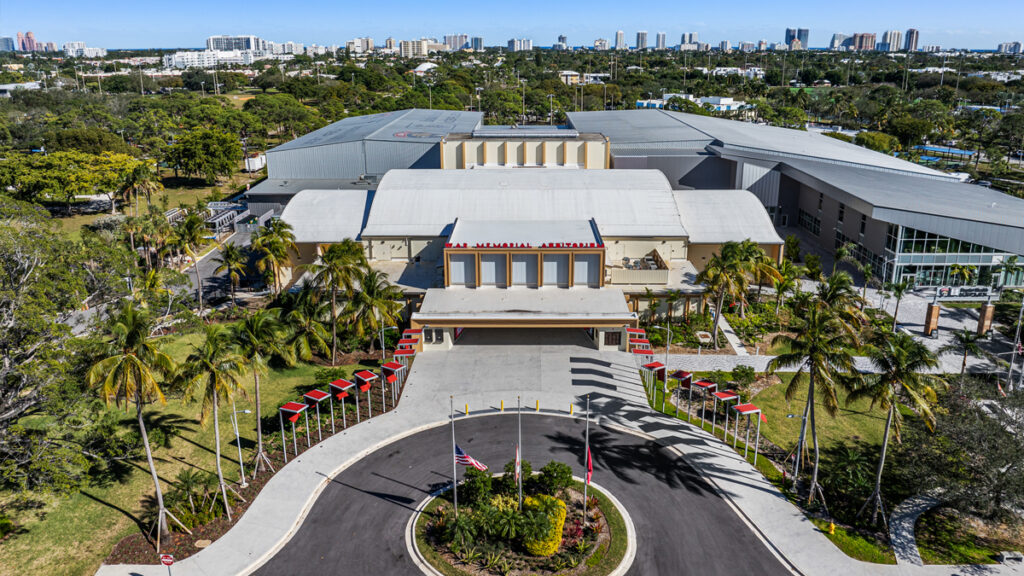
Photo credit: War Memorial.
ISHOF is proud to announce that we will be back in Fort Lauderdale for the 2027 Honoree Induction Ceremony and the dates will be Friday, April 9 for the ISHOF Aquatic Awards presented by AquaCal and Saturday, April 10 for the 62nd Annual ISHOF Honoree Induction Ceremonies.
We will be back at the War Memorial Auditorium once again in 2027, the same venue as 2026 for the induction and we are currently working to secure Friday night’s location. We are hoping to also be at the War Memorial but we have not yet locked it in. Stayed tuned for details!
We will be announcing the Class of 2027 late this week!
A Century Later: Celebrating Trudy Ederle’s Historic Channel Crossing
The International Swimming Hall of Fame was honored to be part of a small but special group invited to Dover and Kingsdown, England, to celebrate the 100th anniversary of the first successful crossing of the English Channel by a woman: the one and only Gertrude “Trudy” Ederle.
The event was hosted by the Trudy Ederle Foundation https://trudyederlefoundation.org/en/ on August 6, 2026 — 100 years to the day since her historic swim. We began with a visit to the Dover Museum for “Queen of the Waves,” a special exhibition dedicated to Ederle, and our first chance to meet members of the Ederle family in person, along with members of the Foundation.
Mary Ederle Ward, Trudy’s Niece
Our curator and historian, Bruce Wigo, had connected with Mary Ward, Trudy’s niece, after Mary and I spoke by phone earlier in the summer. Bruce then traveled to Mary’s home in New Jersey to personally collect Gertrude Ederle’s 100-year-old scrapbook, and at last, Mary and I were able to meet face to face. The Ederle family came out in force, and it was wonderful to share the day with so many relatives who so clearly adored their Aunt and Great Aunt.
The Ederle Family with The Trudy Ederle Foundation Members, including Rainer Frase, Founder
Imagine our surprise when we ran into 1995 Honoree “The Albatross,” Michael Gross of Germany, and his lovely wife, Ilona, who were in attendance. “Michael was is attendance as he represents something very closely connected to the Trudy Ederle Foundation‘s mission: outstanding achievement in elite sport combined with a successful and meanful second career beyond competitive sport”.
Michael and Ilona Gross
The Dover Museum’s exhibit was a wonderfully thorough tribute to Ederle and to the many remarkable Channel and marathon swimmers who followed her, and the museum itself is a real gem, tucked in the heart of Dover just minutes from the beach.
That evening, a bus carried our group of more than 50 to “The Rising Sun” restaurant just steps from Kingsdown Beach, where Ederle came ashore 100 years earlier. The Foundation had thought of everything. Dinner began around 7:30, and live monitors placed throughout the room were tracking Ederle’s swim in real time, as if she were making her way across the Channel that very night. We always knew exactly where she was and how much farther she had to go — it was a beautiful touch.
Watching Trudy swim 100 years earlier
Before dinner, guests mingled and swapped stories, and I had the pleasure of chatting with two more of our Honorees: Michael Read, inducted in 2011, and Kevin Murphy, inducted in 2009 — both of whom, at different points in their careers, were known as the “King of the English Channel.” The room was full of fascinating people: the High Sheriff of Kent, appointed by King Charles; the youngest swimmer to complete the Oceans Seven at the time of her achievement; Sally Minty-Gravett, an ISHOF Honoree; and so many more.
The two Michael ISHOF Honorees ~ Read and Gross
Friends celebrating Trudy along with Billy Morrison and Kevin Murphy
Dina Levačić, Marathon Swimmers, Sally Minty Gravett, ISHOF Honoree Kevin Murphy
The meal itself was exactly the kind of English fare Trudy would have loved — another lovely touch. My husband, Stu, and I were seated with the Ederle family, so we got all the inside stories. Much of the evening was spent simply telling tales about Trudy, and that was one of the best parts of the night: getting to know someone through the family who truly knew her.
Dinner!
The Trudy Ederle Foundation also presented gifts to a handful of people who had helped make the evening possible, and ISHOF was proud to be included. We received two special one-of-a-kind pieces of artwork and a copy of the new book, Trudy ~ What the Applause Left Behind, by Tobias Kolesnyk, the Foundation’s Director of Strategic Communications, plus lots of other goodies.
ISHOF representative Meg Keller-Marvin accepting award from Ranier Frase and grandson, Phillip.
ISHOF had gathered video tributes from Honorees and swimmers to honor Trudy, and all of them were shown that night. No surprise: Katie Ledecky’s left the whole room starstruck. A heartfelt thank you to everyone who contributed a video — Donna de Varona, Missy Franklin, John Naber, Marcella MacDonald, Katie Ledecky, and Dara Torres.
Watching Katie Ledecky video
The true star of the evening, besides Trudy herself, was Hannah Hubert, Executive Director of the Trudy Ederle Foundation. Hannah was the smiling face behind every detail, crossing every “t” and dotting every “i” to bring this event home with an A+. Her attention to detail was truly one for the ages.
Hannah Hubert, Executive Director of the Trudy Ederle Foundation
After a delightful dinner filled with English fare, stories of Trudy, presentations, thank-you’s, and video tributes, the magic hour of 21:39 was almost upon us. We all made our way outside, where torches awaited — just like they carried 100 years before. We lit them and set off down a path through the residential streets of Kingsdown toward the beach.
Meg Keller-Marvin and Jon of the Dover Museum
As the path opened onto the shore, I was amazed to see more than 100 people already gathered on the beach, chatting and mingling. As it turned out, the townsfolk of Kingsdown had come out too, to celebrate Trudy at the stroke of 21:39 — the exact moment she had come ashore a century earlier. Torches lit up the night sky, and a local woman had even set up a table pouring glasses of champagne for anyone who wanted to partake. A few more speeches followed, and as the countdown began, the whole crowd joined together, cheering for Trudy at the exact moment: “Hip, hip, hooray!”
Celebrating on Kingsdown Beach
It was an unforgettable evening from start to finish, and ISHOF is so grateful to have been included. We loved reconnecting with old friends and meeting so many new ones. A special thank you to Hannah, to Tobias, Rainer and the Ederle family and to the entire Trudy Ederle Foundation for hosting this true once-in-a-lifetime event.
The Gertrude Ederle Trophy
A special thank you to the Trudy Ederle Foundation for the use of some of the their photos and to Hannah Hubert for all her help.
Michelle Ford ~ After the Applause
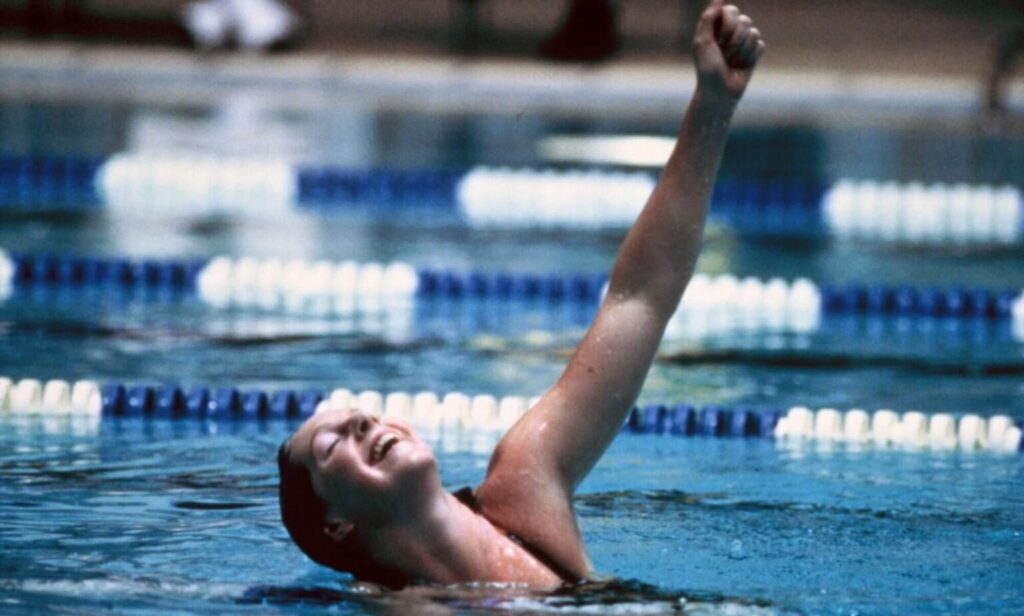
Honoree Questions for: Michelle Ford ~ Honor Swimmer
You were inducted in 1991. Tell us what you have been up to since then?Since my induction into the International Swimming Hall of Fame in 1991, Ihave built an rewarding career in sport, raised two wonderful boys, andcontributed to several important milestones in sport. I was a foundingmember of the IOC Athletes’ Commission, where we advocated for;stronger anti-doping regulations – calling for bans on athletes and theirentourage if found guilty of doping, equal opportunities for women, and theend of the amateur code. It was at the end of the cold war, and our call toaction became a critical turning point in sport and gave athletes a voice,through the creation of the IOC Athletes Commission.
I was director of the university sports program in Switzerland, and createda sports testing unit for sporting clubs and the university. I later returned toSydney, where I served as a Director of National Olympic Committees forthe Sydney 2000 Games. After the Games, I worked with the Oceaniaregion to develop its sports program. I also helped shape Australian sportspolicy through my board work with the Australian government as well asthe board of swimming Australia. Most recently, and something that I amextremely proud of, after 6 years of research and writing, I published mymemoir, ‘Turning the Tide’,
I continue to advocate for athletes and promote healthy lifestyle throughmy coaching.
What do you do for work / as a profession?I have degrees in Business communications and MA in Sports Psychology from the University of Southern California. My professional career began at the helm of the University sports program in Lausanne Switzerland, as Director and I have since held many board positions including the Australian Sport Commission, Swimming Australia, and the World Masters Games. From the organizing committee of the 2000 Sydney Games to help the Oceania region sports programs. and consulted with international Federations, I have enjoyed positions where I have influenced institutional changes and promoted sport programs.
Are you still involved in swimming in any capacity?
I coach adult swimming and still swim regularly
Do you still stay in touch with any swimming friends from your competitiondays, if so, who?
Writing my memoir, I reconnect with many swimming colleagues in Australia and abroad; Shane Gould, Jenny Turrall, Tracey Caulkins, Wendy Boglioli, my USC Colleagues John Naber and Sharron Davis (UK). Recently I initiated andorganized a welcome home and recognition by the Australian Prime Minister for the Australian 1980 Olympic team and their contribution to Australian sport and the Olympic movement. 45 years on it was great to see some familiar faces.
If you have children, do your kids swim, if yes, tell us about them, if no, tellus about what they are involved in (sports, arts, etc.)I have two boys, now working in Private equity, and Hotel development. Theyboth swam and participated in a range of sporting activities. Compared to myupbringing in Australia living in Switzerland, has been more challenging to have a successful career in swimming. Tennis and sailing were their preferred sports.
What is best memory of your days in swimming? The best and proudest memory of my swimming days was to stand on theOlympic podium to receive my Gold medal as the national anthem played andthe Australian flag rose above the East German flag – I became the onlyindividual female swimmer to defeat the GDR.The coolest memory, however, is the incredible comradery amongst team mates and the friends that I made especially from my college days at USC.
Seeing the changes that have occurred in swimming/aquatics now versuswhen you were competing, do you wish you could have competed now, orare you glad you competed when you did and why?Competing today would certainly have had its advantages—five-star hotelsinstead of being billeted out with families or in migrant hostels, along with access to personal coaches, psychologists, physiotherapists, massage therapists, and other support staff. The opportunity for swimmers to earn money today would also have made a significant difference. In my era, none of that was permitted; you could even be considered a professional and be ineligible simply for working as a lifeguard.
Have you written a memoir/book about yourself, if yes, what’s the title andcan our readers purchase it? If not, do you ever plan on written a book?I recently completed my memoir, Turning the Tide. Part memoir and part exposé, it is more than the story of winning Olympic gold. It is the journey of a young swimmer from Sydney whose determination, resilience, and love of the sport led her to become the only female swimmer to win an individual Olympic gold medal against the might of the East German state-sponsored doping machine. Interwoven with my personal story is the shocking truth behind the GDR’s systematic doping program and how politics, gender inequality, and doping reshaped the Olympic movement and the landscape of international swimming.
Above all, Turning the Tide is a tribute to the values that define our sport—hardwork, integrity, and fair competition—and to the belief that you can triumph even when the odds are stacked against you. It reflects my lifelong fight for clean sport, athletes’ rights, and fairness for women in sport, while reminding us why those causes remain as important today as ever.
Any advice to all the future want-to-be Olympic swimmers out there?Swimming is an amazing and fulfilling sport. Although it is demanding, it is also deeply rewarding. And despite the misconception that swimming is not social or team-oriented, nothing could be further from the truth.
As an Olympian, National Team Member, you travelled all over the world.What was your favorite place you visited, or your favorite meet to attend?My trips to Europe, were always a buzz. Discovering new cultures and walkingcobbled street was new and exciting for me. Until then I had only read about it in books and talked about it at school history and geography lessons.
Something that I must add to this was my first trip behind the ‘iron curtain’ in 1989 for the Spartakiade Games in Moscow – it was definitely an eye-opener, quite austere and mystical.
You can purchase Michelle’s book, Turning the Tide, on Amazon.